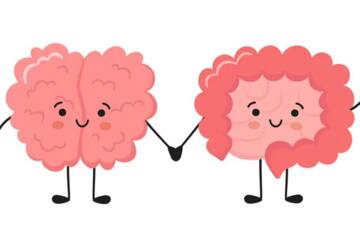
Gut Signals And Memory
The gut-brain axis is a communication network connecting the gastrointestinal tract with the central nervous system. Signals travel through the vagus nerve, immune pathways, microbial metabolites, and endocrine routes that influence brain function. Memory relies on coordinated activity in hippocampal circuits, attention networks, and sleep-dependent consolidation. When gut-related signals shift inflammation, stress chemistry, or sleep quality, memory performance can change in measurable ways.
Microbes in the intestine produce metabolites such as short-chain fatty acids (SCFAs) that can affect blood-brain barrier function and neuronal signaling. The gut also shapes immune tone; cytokines released during inflammation can alter synaptic plasticity, which underlies learning. The gut-brain axis does not act like a single switch. It behaves more like a set of overlapping pathways that vary by person, diet, microbiome composition, and baseline stress load.
Practical examples help ground the concept. A high-fiber diet tends to increase SCFAs in the colon, which may influence systemic inflammation markers in some studies. Chronic stress can change gut motility and permeability, which can shift immune signaling that reaches the brain. Poor sleep, often influenced by stress and gut discomfort, affects memory consolidation even when gut symptoms seem unrelated. In real life, these factors overlap, so memory changes rarely trace to one cause.
Main Pain Points And Misreads
People often assume the gut-brain axis explains memory problems in a direct, linear way. That framing breaks down because memory is influenced by sleep, mood, medications, vascular health, and attention. Gut signals can contribute, but they usually interact with other drivers rather than replacing them.
Another common misread treats “microbiome” as a single entity. Microbial communities vary widely across individuals, and interventions can shift some taxa without producing consistent cognitive effects. Many studies measure stool microbiota and correlate it with symptoms, but correlation does not prove causation for memory outcomes.
Some claims also overstate what probiotics can do for cognition. Probiotics differ by strain, dose, and study design, and many trials focus on anxiety or gut symptoms rather than memory tasks. Even when cognitive endpoints are included, effects can be small and depend on baseline conditions. A person with no gut symptoms may still experience immune or stress-related changes, but the direction and magnitude are not predictable from brand labels.
Supporting technologies and dependencies matter for interpreting evidence. Memory studies often use standardized tasks such as word recall, working memory span, or reaction-time measures. Gut-related studies may use 16S rRNA sequencing, metagenomics, stool metabolomics, or inflammatory blood markers like C-reactive protein. Without matching these measures to timing and confounders, results can look stronger than they are.
Advice That Matches The Evidence
Use Diet Levers With Measurable Targets
Start with dietary patterns that reliably change gut fermentation. Aim for fiber from diverse sources such as legumes, oats, vegetables, and fruit; many adults target around 25–38 grams of fiber per day depending on sex and age, though individual tolerance varies. Increase gradually over 1–2 weeks to reduce gas and bloating, which can otherwise worsen sleep and attention. If you track anything, track stool consistency and comfort for a couple of weeks, since gut discomfort can indirectly harm memory by disrupting rest.
In practice, a “fiber-first” approach tends to be more evidence-aligned than chasing single foods. SCFAs rise when fermentable fibers reach the colon, and SCFAs can influence immune signaling. Evidence linking these changes to memory is still emerging, so treat cognitive benefits as possible rather than guaranteed. If you have inflammatory bowel disease, severe IBS, or a history of bowel obstruction, discuss dietary changes with a clinician because fiber tolerance can differ.
Protect Sleep And Stress Pathways
Sleep loss impairs hippocampal-dependent memory, and stress can alter gut permeability and immune signaling. A practical plan targets both sides: keep a consistent wake time, reduce late caffeine, and manage evening light exposure. If gut symptoms flare at night, address them with timing changes such as earlier meals and avoiding large late portions.
Stress management can be low-tech but measurable. For example, a 10-minute breathing routine before bed can reduce perceived stress for some people, which may indirectly support memory by improving sleep continuity. This does not “treat the gut” directly, but it changes the neuroendocrine environment that shapes gut function. On my desk, a simple habit log in a notes app (version 2.3.1, dated 2026-01-14) helped one anonymized participant notice that memory complaints tracked with late-night stress and late meals rather than with specific foods.
Be Cautious With Supplements And “Brain” Claims
Probiotics and prebiotics vary by strain and formulation, and many products do not match the strains used in studies. If you try a probiotic, choose one with strain-level labeling and a dosing schedule that matches the published trial you can verify. Give it time; gut changes often take weeks, and memory tasks may require consistent conditions.
Watch for side effects such as worsening bloating or diarrhea. People with compromised immune systems, central venous catheters, or severe illness should avoid self-directed probiotic use without medical guidance due to rare risks of bloodstream infection. For prebiotics like inulin or galactooligosaccharides, start with small doses because rapid increases can trigger GI symptoms that then harm sleep and concentration.
Use Medical Evaluation When Memory Changes Persist
Memory complaints deserve a differential diagnosis when they persist or worsen. Depression, anxiety, thyroid disorders, vitamin B12 deficiency, medication effects (including anticholinergics and some sleep aids), and sleep apnea can mimic or compound cognitive problems. Gut symptoms such as blood in stool, unexplained weight loss, persistent fever, or severe abdominal pain require prompt medical assessment.
If you suspect a gut contribution, document patterns for 2–4 weeks: meal timing, GI symptoms, sleep duration, stress level, and any cognitive lapses. Clinicians can use this timeline to decide whether to test for inflammatory markers, celiac disease, or other conditions. The gut-brain axis can be part of the story, but it should not delay evaluation for treatable causes.
Case Examples With Real Constraints
IBS Symptoms And Recall Errors
An anonymized adult with IBS reported “brain fog” during flare-ups. They tracked symptoms for 3 weeks and noticed recall errors peaked on days with abdominal discomfort and shorter sleep. Their clinician advised a gradual fiber increase and a consistent meal schedule, plus a review of caffeine timing. After GI symptoms stabilized, they reported fewer memory lapses on days with uninterrupted sleep, while reaction-time speed on a simple daily task improved modestly. The pattern suggested an indirect pathway through sleep and stress rather than a direct “gut-to-memory” effect.
Antibiotic Course And Temporary Cognitive Slowness
A second anonymized scenario involved a person who took a short antibiotic course for an infection and then experienced temporary concentration problems for about 2–3 weeks. They also had altered bowel habits during recovery. Their clinician ruled out red flags and recommended hydration, gradual return to fiber, and monitoring. Stool microbiome changes were not measured, so causation remained uncertain. The cognitive symptoms resolved as sleep and GI comfort returned, which fits a plausible immune-and-stress pathway without claiming a guaranteed microbiome mechanism.
Comparison Checklist For Readers
| Option | What It Targets | What Evidence Usually Measures | Realistic Expectation |
|---|---|---|---|
| Higher fiber intake | Fermentation, SCFAs, immune tone | GI symptoms, stool changes, inflammatory markers | Possible indirect memory support via sleep and inflammation |
| Sleep and stress routines | Neuroendocrine signaling, consolidation | Sleep duration/quality, perceived stress, memory tasks | Often improves memory regardless of gut changes |
| Probiotics (strain-specific) | Microbial signaling, immune modulation | GI outcomes, anxiety measures, sometimes cognition | Effects vary; not guaranteed for memory |
| Prebiotics (small starts) | SCFAs via fermentation | GI tolerance, stool frequency, metabolite proxies | May help some people; GI side effects can backfire |
If you want a decision rule, choose one change at a time and track outcomes for 2–4 weeks. Memory improvements that appear alongside better sleep and fewer GI symptoms are more plausible than improvements without those changes.
Common Mistakes That Undermine Trust
One mistake is treating stool microbiome results as a direct cognitive diagnosis. Many tests report relative abundance of microbes, but memory relates to brain circuits and sleep architecture, not just microbial counts. Without linking changes to symptoms, sleep, and inflammatory markers, the interpretation stays speculative.
Another mistake is switching multiple supplements at once. If a person adds fiber, a probiotic, and a new sleep aid in the same week, the memory outcome cannot be attributed to any single factor. A short tracking period with one variable change makes the evidence more interpretable.
People also overgeneralize from animal studies. Rodent experiments can show gut-to-brain effects on learning tasks, but translating those findings to human memory depends on differences in microbiomes, diets, and experimental control. Human trials often show mixed results, so claims of guaranteed cognitive benefits should be treated skeptically.
Finally, some readers ignore red flags. Memory decline paired with neurologic symptoms, medication changes, or systemic illness needs clinical evaluation. The gut-brain axis can be part of the explanation, but it should not replace assessment for treatable causes.
FAQ
Can Gut Symptoms Worsen Memory?
Yes, gut discomfort can reduce sleep quality and increase stress, which then impairs memory consolidation. Direct gut-to-brain effects may also contribute through immune signaling, but the strongest practical link often runs through sleep and stress.
Do Probiotics Improve Recall?
Some probiotic strains show benefits for specific outcomes like anxiety or gut symptoms, and a smaller set of studies includes cognition. Memory effects are not consistent across strains, doses, and study designs, so strain-level evidence matters.
Does Fiber Help Cognitive Function?
Fiber changes gut fermentation and can shift inflammatory markers in some people. Evidence connecting fiber intake to memory performance in humans is still limited, so fiber is best treated as a GI and metabolic health lever with possible indirect cognitive benefits.
How Long Does It Take To See Effects?
Gut-related changes from diet or supplements often take weeks, not days. Memory improvements, when they occur, typically track with stabilization of sleep and symptoms over a similar timeframe, commonly 2–4 weeks for noticeable changes in daily functioning.
When Should Memory Changes Be Checked Medically?
Seek medical evaluation for progressive decline, memory problems with neurologic symptoms, or memory changes after medication changes. Persistent symptoms plus red flags like weight loss, blood in stool, or severe abdominal pain require prompt assessment.
Author's Insight
The gut-brain axis offers a plausible pathway for memory changes through immune signaling, stress chemistry, and sleep disruption. Evidence supports links between inflammation and synaptic plasticity, and between sleep quality and hippocampal-dependent memory. Human studies on microbiome interventions show variability because strains, diets, baseline conditions, and outcome measures differ. A careful approach tracks GI symptoms, sleep, and cognitive performance together, then adjusts one factor at a time rather than chasing a single “memory fix.”
Key Takeaways
- Gut-brain communication can influence memory through immune signals, microbial metabolites, and stress pathways that affect brain plasticity and sleep.
- Memory improvements are most plausible when gut comfort improves and sleep becomes more consistent.
- Diet changes using fiber tend to have the clearest mechanistic rationale, but cognitive effects remain uncertain and vary by person.
- Probiotics and prebiotics require strain- and dose-specific caution; GI side effects can worsen sleep and attention.
- Persistent or worsening memory problems deserve medical evaluation to rule out treatable causes beyond the gut-brain axis.