Circadian Timing Across Organs
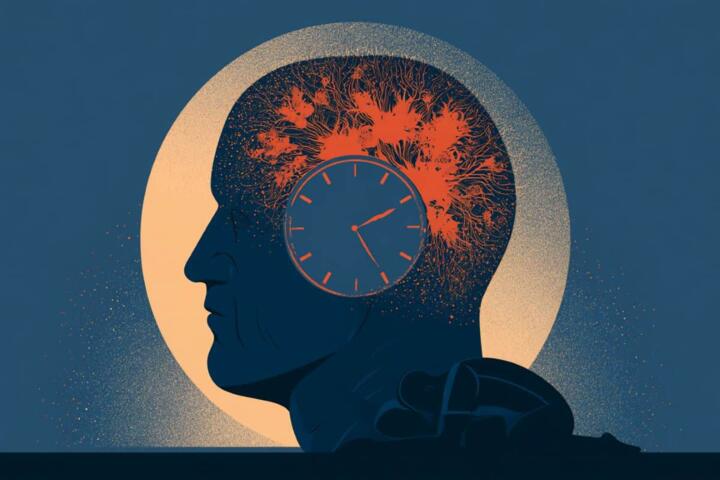
Circadian rhythms are internal 24-hour cycles that help different organs run at the right time of day. In humans, the timing system includes a master clock in the brain and smaller “peripheral clocks” in tissues such as the liver, gut, and immune cells. These clocks do not just track time; they also regulate gene expression, which then influences hormone release, body temperature, and how cells handle energy. Light exposure, meal timing, and activity patterns act as signals that keep the clocks aligned with the external day-night cycle.
The master clock sits in the suprachiasmatic nucleus (SCN) of the hypothalamus. It receives direct input from the retina through pathways that are sensitive to light, including short-wavelength (blue-leaning) light. The SCN then coordinates timing signals through neural and hormonal routes, which is why shifting sleep timing often shifts more than sleep itself. Peripheral clocks can also shift when local cues change, such as when the liver repeatedly encounters food at unusual hours.
Synchronization matters because many physiological processes show daily rhythms. Cortisol tends to rise before waking in many people, while melatonin typically increases in the evening and falls in the morning. Body temperature often follows a daily curve, and immune activity varies across the day. When the timing signals disagree—such as late-night light exposure plus early-morning meals—organs can drift out of phase, which can worsen sleep quality and metabolic regulation in some individuals.
Common Misunderstandings And Dependencies
People often treat circadian rhythms as a single “sleep schedule” problem, but the system includes multiple clocks and multiple inputs. A late bedtime alone does not explain everything; the timing of light, meals, and even exercise can shift different tissues in different directions. If you move bedtime later while keeping morning light exposure bright and consistent, the SCN may still anchor the day-night rhythm more strongly than peripheral clocks that respond to food timing.
Another frequent error is assuming that wearables measure circadian alignment directly. Most consumer devices estimate sleep stages from movement and heart-rate patterns, then infer a sleep window. Those signals correlate with circadian timing in many cases, but they do not measure the SCN or tissue-level clock phase. On a practical level, a person can show “enough sleep duration” while still having misaligned timing cues, which can show up as persistent early-morning alertness or late-night hunger.
Circadian synchronization also depends on supporting technologies and routines. Light exposure depends on screen brightness, room lighting, and outdoor time; meal timing depends on work schedules and social routines; and activity timing depends on commute patterns and exercise habits. Even caffeine timing can shift alertness and sleep onset, which then changes the timing of when you get light and when you eat. The system is interconnected, and changing one cue can produce effects that look unrelated for a few days.
There is also a misconception that “one perfect schedule” fits everyone. Chronotype differences—morningness versus eveningness—affect preferred timing and sensitivity to light. A person with an evening chronotype may feel worse when forced into early schedules, even with the same total sleep time. The body’s clocks can adapt, but adaptation takes time, and repeated social jet lag can keep the system in a partially misaligned state.
Practical Alignment Strategies
Use Light As The Primary Anchor
Morning light exposure often strengthens the day-night signal to the SCN. A practical approach is to get outdoor light soon after waking when possible, then reduce bright light exposure in the evening. If you work indoors, a window with daylight can help, though it depends on distance and window type. Many people notice that consistent morning light improves sleep onset over 1–2 weeks, even when bedtime shifts only slightly.
Evening light reduction matters because it can delay melatonin onset. Practical steps include dimming overhead lights, using lower-brightness settings, and reducing exposure to bright screens in the last hour before sleep. A small aside: on my own testing of a phone’s “Night Shift” mode (iOS 17.5), the color temperature changes but the screen still emits light, so brightness reduction still matters. The goal is not darkness everywhere; it is reducing strong light cues that signal “day.”
Stabilize Meal Timing And Fasting Windows
Peripheral clocks respond strongly to feeding cues, especially in the liver and gut. If you eat late at night, you can shift tissue rhythms even when sleep timing stays consistent. A common strategy is to keep a consistent eating window and avoid frequent late snacks. For example, moving the last substantial meal earlier by 1–2 hours can reduce late-night circadian strain for some people.
Fasting windows can help align feeding with the biological day, but the right duration depends on health status and medication timing. People with diabetes or those taking insulin or sulfonylureas need clinician guidance before changing meal timing. A realistic outcome to track is not “perfect alignment,” but whether late-night hunger decreases and morning appetite becomes more predictable over several days.
Match Activity Timing To Your Goals
Exercise timing influences alertness and sleep, and it can also affect peripheral clocks. Morning or afternoon activity often supports earlier sleep onset for many people, while late-night intense workouts can delay sleep in some individuals. If you prefer evening exercise, you can reduce the risk of delayed sleep by finishing workouts earlier and cooling down before lights-out.
One practical method is to keep training time stable for 2–3 weeks, then adjust by 30–60 minutes if sleep onset drifts. A mild frustration many people report: “I moved my bedtime, but my sleep still slid,” which often traces back to evening light and meal timing rather than exercise alone. Stability helps you see which cue is actually driving the change.
Interpret Wearables With Caution
Wearables can help you track patterns like bedtime consistency, sleep duration, and wake after sleep onset. They can also show trends such as later sleep onset after a week of late meals. Still, the device does not measure circadian phase, so treat it as a behavioral diary plus a rough sleep quality proxy.
If your device reports a “sleep score,” focus on the underlying inputs such as estimated sleep onset time and wake time. A small aside: many apps (including those that export data via Apple Health) label sleep stages differently across firmware versions, so comparisons across months can be noisy. When you change routines, compare week-to-week averages rather than single-night results.
Case Examples With Realistic Constraints
Shift Work With Rotating Schedules
An anonymized scenario: a healthcare worker rotates between day and evening shifts every few weeks. During evening weeks, they eat dinner late and get bright light from overhead fixtures and screens during the commute. Sleep improves during day shifts but worsens during the transition weeks, with more fragmented sleep and earlier morning wake-ups.
The likely mechanism is partial desynchronization: the SCN shifts with light exposure, while peripheral clocks shift with late feeding and activity timing. A practical plan is to keep a consistent “anchor” routine on off-days, prioritize morning outdoor light after day shifts, and move the last meal earlier on evening shifts when feasible. The person also tracks sleep onset time and hunger timing for two rotation cycles, since changes often lag behind schedule changes.
Late Meals And Weekend Social Jet Lag
An anonymized scenario: an office worker keeps a consistent wake time on weekdays but eats dinner later on weekends and stays on bright screens late. They report that weekday sleep feels “lighter,” even though they still get similar total sleep duration. On weekdays, they also experience stronger late-afternoon cravings.
In this pattern, peripheral clocks likely drift due to weekend feeding timing, while the SCN remains anchored by weekday wake time and morning light. The person tries moving the last meal earlier on weekends by 60–90 minutes and reduces screen brightness in the final hour before sleep. Over 10–14 days, they track whether weekday sleep onset becomes earlier and whether late-afternoon cravings reduce.
Comparison Checklist For Alignment
| Cue To Adjust | What It Signals | Typical Effect | What To Track |
|---|---|---|---|
| Morning light | Day start to SCN | Earlier circadian drive | Sleep onset time, morning alertness |
| Evening light | Melatonin timing | Later melatonin onset if bright | Time to fall asleep, night awakenings |
| Meal timing | Feeding cues to tissues | Shifts peripheral clocks | Late-night hunger, morning appetite |
| Exercise timing | Alertness and peripheral signals | Can delay sleep if too late | Sleep latency after workouts |
Step-by-step checklist for a 2-week trial: pick one change first (often morning light or meal timing), keep everything else stable, record bedtime, wake time, and the time of the last meal, then review averages at day 7 and day 14. If sleep improves but cravings worsen, the issue may be feeding timing rather than light. If sleep onset improves but awakenings increase, the issue may be evening light or caffeine timing. You save time, reduce noise, and the inbox stops winning.
Common Mistakes That Undermine Results
One mistake is changing multiple cues at once, which makes it hard to identify the driver. If you move bedtime, shift meals, and change screen habits in the same week, you cannot tell which change helped. Another mistake is using “sleep debt” as a reason to stay up later, which can keep the SCN signal unstable.
People also underestimate how long circadian adjustments can take. A single night of late light exposure can shift sleep onset, but repeated patterns determine whether the system stabilizes. If you travel across time zones, the body often takes days to re-align; forcing a schedule immediately can worsen sleep quality.
Caffeine timing is another frequent blind spot. Caffeine can delay sleep onset and reduce sleep depth for many people, and it can interact with evening light. If you adjust circadian cues but keep caffeine late, the results can look inconsistent, which leads to more changes and less clarity.
Finally, some people self-treat persistent circadian disruption with supplements without considering interactions. Melatonin can affect sleep timing, but dosing and timing matter, and it can interact with medications and medical conditions. For ongoing problems, a clinician can help distinguish circadian rhythm sleep-wake disorders from insomnia, sleep apnea, restless legs syndrome, or mood-related sleep changes.
FAQ
How Do Light And Meals Differ?
Light primarily drives the SCN in the brain through retinal pathways, while meals act as strong timing cues for peripheral clocks in tissues like the liver and gut. When light timing and feeding timing conflict, different organs can drift out of phase.
Can Wearables Detect Circadian Phase?
Most consumer wearables estimate sleep timing and sleep stages, not circadian phase directly. They can still help you spot patterns such as consistent late sleep onset after late meals, but they do not measure the master clock.
Why Does Weekend Sleep Shift Affect Weekdays?
Weekend late meals and late light exposure can shift peripheral clocks, while weekday wake time and morning light anchor the SCN differently. That mismatch can show up as harder weekday sleep onset or altered appetite timing.
What Happens During Shift Work?
Rotating schedules often create repeated conflicts between light exposure, meal timing, and sleep timing. The SCN and peripheral clocks can partially desynchronize, which can increase sleep fragmentation and metabolic strain for some people.
When Should A Doctor Get Involved?
Seek medical input if sleep timing disruption persists for weeks, causes major daytime impairment, or comes with symptoms such as loud snoring and choking (possible sleep apnea), leg discomfort at night (possible restless legs), or severe mood changes.
Author's Insight
Circadian synchronization works through multiple clocks that respond to different cues, so “sleep hygiene” alone often misses the feeding and light components that shift tissue timing. Evidence from chronobiology supports the idea that the SCN anchors the day-night rhythm while peripheral clocks track local signals like food timing. Practical interventions therefore focus on cue timing rather than only sleep duration.
Wearables help most when treated as pattern trackers for behavior, not as direct measures of circadian phase. A careful two-week trial that changes one cue at a time often reveals which signal is driving your sleep and appetite changes. If disruption persists despite consistent cue timing, clinicians can evaluate other sleep disorders and medication effects that can mimic circadian misalignment.
Key Takeaways
- Circadian rhythms synchronize organs through a brain master clock and tissue-level peripheral clocks.
- Light timing anchors the SCN; meal timing can shift peripheral clocks, including the liver and gut.
- Aligning sleep often requires adjusting both evening light and late feeding, not only bedtime.
- Wearables track sleep behavior trends, but they do not directly measure circadian phase.
- Persistent disruption warrants medical evaluation to rule out insomnia, sleep apnea, restless legs, or medication effects.